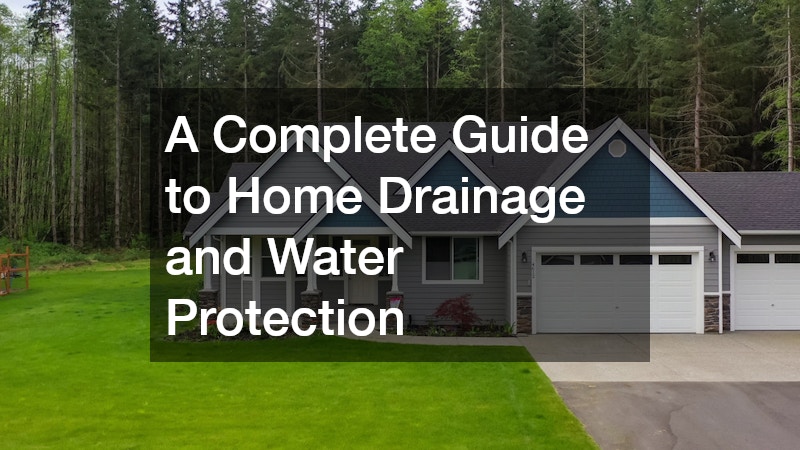

Water is the lifeblood of any vibrant landscape, yet it also stands as one of the most destructive forces a property owner can face. When heavy rains strike, thousands of gallons of water cascade off residential roofs. Without a strategic management plan, this liquid volume quickly transforms from a gentle shower into a costly headache. True property preservation requires a holistic view of how moisture interacts with every square foot of a homestead. From the highest shingle down to the deepest soil layers, managing moisture is an interconnected challenge that demands a unified strategy.
Many homeowners tend to view different areas of their property as isolated components. They might worry about a leaky roof in the spring, a muddy lawn in the summer, or a cracked driveway in the autumn. In reality, the systems that govern a house and its surrounding grounds are deeply intertwined. Poorly managed runoff from the roof can oversaturate the soil below, which then exerts immense pressure on underground structures. Understanding this fluid dynamic is the first step toward safeguarding an investment for decades to come.
The First Line of Defense: High-Performing Rooftop Management
Every comprehensive water mitigation strategy begins at the highest point of the structure. The roof acts as a massive funnel, collecting rainfall and directing it downward. Without an efficient mechanism to capture and reroute this volume, the cascading water will erode soil, destroy expensive vegetation, and pool directly against the base of the building. This is where engineered drainage systems prove their immense value.
Investing in seamless troughs and properly sized downspouts ensures that heavy downpours are collected instantly. When these components become clogged with autumn leaves, twigs, and debris, the entire system fails. Water backs up, spilling over the edges and soaking the fascia boards, which leads to wood rot and mold development. For optimal protection, property owners often turn to a reliable local gutter company to install wide, seamless aluminum or copper systems equipped with advanced leaf guards. These professionals ensure that water flows smoothly away from the roofline rather than spilling haphazardly onto the vulnerable structures below.
Once the water is safely captured by the channels, the next challenge is directing it far enough away from the building. Short downspouts that dump water right next to the crawlspace or basement are barely better than having no troughs at all. Extending these lines or integrating them into underground bubbler systems ensures that the liquid volume is discharged into areas capable of handling the moisture load without causing collateral damage.
Safeguarding the Base: Preventing Subterranean Structural Shifts
When surface water is allowed to pool continuously near the perimeter of a house, the structural consequences can be devastating. Soils with high clay content expand dramatically when wet and shrink significantly when dry. This constant cycle of swelling and contracting places immense hydrostatic pressure on subterranean concrete walls. Over time, this pressure causes bowing, cracking, and eventual moisture intrusion.
When a structure begins to show signs of shifting, such as stuck doors, uneven floors, or visible fissures in the basement, the situation requires immediate, expert intervention. Seeking assistance from a qualified foundation repair specialist can stop this damage from progressing. These experts utilize methods like underpinning, helical piers, or carbon fiber reinforcement to stabilize the shifting structure. However, fixing the concrete is merely treating the symptom. To prevent the issue from recurring, the underlying moisture problem must be corrected at its source.
A robust approach involves installing exterior French drains along the perimeter of the building. These gravel-filled trenches feature perforated pipes that collect subsurface water before it can press against the concrete, safely channeling it to a lower point on the property or into a storm sewer. By keeping the soil moisture levels consistent around the perimeter, the structural integrity of the home remains uncompromised.
Integrating Structural Overhauls with Professional Guidance
When structural issues are severe or when planning a major property renovation, managing water becomes a central theme of the design phase. Attempting to fix massive drainage errors piecemeal often leads to conflicting systems that fight against each other. For comprehensive renovations or brand-new builds, a centralized plan is required to harmonize all moving parts.
Enlisting a licensed general contractor can streamline this complicated process. These professionals understand the local building codes, soil types, and regional weather patterns that dictate how a structure should be built or altered. They coordinate the work of various specialists, ensuring that the grading of the land matches the structural needs of the building. By overseeing the big picture, they prevent common errors, such as accidentally sloping a new driveway or walkway back toward the main structure.
Furthermore, these coordinators ensure that internal moisture barriers are installed correctly alongside external drainage. This comprehensive oversight guarantees that the home remains dry from the inside out, protecting structural framing, insulation, and interior finishes from the insidious effects of hidden rising dampness.
Designing Resilient Landscapes That Guide the Flow

Moving outward from the structural perimeter, the surrounding terrain requires careful orchestration to handle seasonal weather patterns. The natural slope of a yard plays a pivotal role in where water ultimately settles. Flat zones or low spots quickly turn into muddy, unusable swamps that suffocate turfgrass and attract unwanted pests.
To transform a problematic yard into a functional oasis, collaborating with a skilled landscape designer is incredibly beneficial. These experts analyze the topography of the land, map out low-lying areas, and design creative solutions like rain gardens, dry creek beds, and bioswales. Rather than fighting against nature, these designs embrace the natural flow of water, using specific moisture-loving plants and strategic rock arrangements to slow down, filter, and absorb excess runoff before it causes erosion.
Proper grading is the cornerstone of any successful exterior plan. The ground should slope away from the main building at a minimum decline of six inches over the first ten feet. When this basic principle is ignored during initial landscaping, even the most expensive interior waterproofing systems can eventually become overwhelmed by the sheer volume of trapped water.
Maximizing Turf Health and Soil Porosity
A lush, green lawn is more than just an aesthetic asset; it serves as a natural sponge that absorbs rainfall and prevents topsoil erosion. However, when soil becomes heavily compacted by foot traffic or heavy machinery, it loses its ability to absorb liquid. Instead of sinking into the ground, water sheets across the surface, washing away nutrients and creating muddy ruts.
Maintaining an optimal outdoor environment requires consistent, targeted lawn maintenance practices. Regular core aeration is particularly vital, as it removes small plugs of soil to alleviate compaction, allowing air, nutrients, and water to penetrate deep into the root zone. Deeply rooted grass creates a more resilient ecosystem that can withstand both periods of intense drought and spells of heavy, saturating rainfall.
In addition to aeration, maintaining the correct mowing height and applying organic top-dressings can significantly improve soil structure over time. Healthy soil rich in organic matter acts as a natural buffer, holding onto moisture when the weather is dry, yet allowing excess water to drain freely through the lower soil profiles during heavy storms.
Creating Durable Hardscapes with Smart Drainage
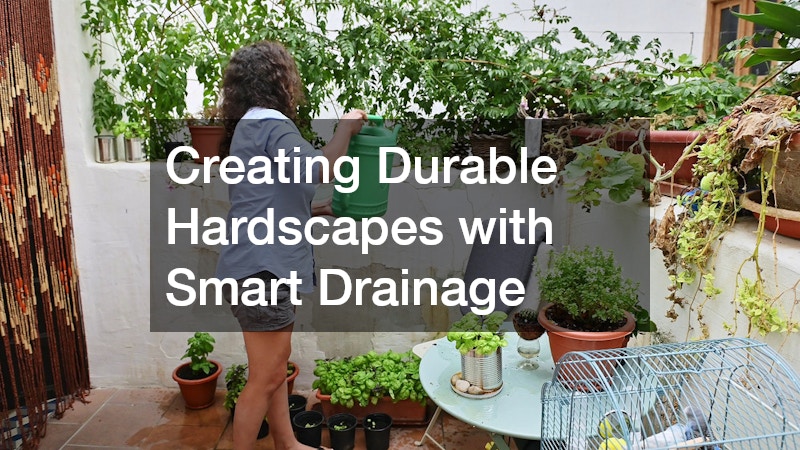
Modern outdoor living spaces frequently incorporate extensive paved zones for entertainment, relaxation, and cooking. While these features add incredible value and functionality to a property, they also create non-porous surfaces that prevent rainwater from soaking into the ground naturally. When designing a spacious patio, careful consideration must be given to where the displaced water will go.
Without built-in drainage paths, large paved surfaces can turn into shallow lakes during sudden downpours. This standing water can cause pavers to shift, erode the underlying sand bedding, or wash out the surrounding flowerbeds. To mitigate this risk, modern outdoor designs often incorporate permeable pavers. These specialized stones allow rainwater to pass directly through the joints and sink into a thick layer of crushed stone underneath, filtering the water naturally back into the earth.
If traditional non-porous stone or concrete is used, the surface must be precisely pitched toward a dedicated drainage collection point. Channel drains featuring decorative metal grates can be installed seamlessly along the edge of the paved area, capturing runoff and routing it safely into underground pipes before it can damage the adjacent lawn or garden spaces.
Selecting the Right Partners for Structural Enhancements
When embarking on a comprehensive property protection journey, the quality of craftsmanship makes all the difference. Water has a unique ability to find the tiniest flaw in any construction project. Therefore, hiring specialized professionals who understand the nuances of structural water management is non-negotiable.
When looking to update overhead drainage components, it is wise to consult a certified gutter company to assess the pitch and capacity of your current setup. Many older homes feature undersized five-inch systems that easily overflow during modern storm events. Upgrading to commercial-grade six-inch alternatives can instantly resolve chronic overflowing issues, protecting both the siding of the house and the delicate landscaping situated directly below the eaves.
Similarly, if you are looking to build a new home from the ground up, selecting an experienced home builder who prioritizes site preparation and foundational drainage is essential. A forward-thinking contractor will analyze the water table, establish an appropriate finish floor elevation, and install robust waterproofing membranes before the first backfill occurs. This proactive approach saves future property owners thousands of dollars in remedial waterproofing down the road.
Crafting Long-Lasting Hardscape Features

The execution of outdoor stonework, retaining walls, and walkways requires specialized engineering knowledge that goes beyond basic aesthetics. Structures built on slopes or at the base of hills face unique hydrostatic challenges as subterranean water moves down the incline.
Engaging a professional team that specializes in heavy hardscaping ensures that these structural elements are built with proper hydrostatic relief. For instance, retaining walls must feature dedicated weep holes and gravel backfill to prevent water from building up behind the stone block wall. Without these specific pressure-relief mechanisms, the immense weight of wet soil will eventually cause the toughest stone wall to bow, crack, and collapse.
Furthermore, well-planned stone features can be used to naturally guide water through a property. Terraced gardens can break up steep slopes, slowing down fast-moving surface water and giving it a chance to infiltrate the soil gently, rather than rushing down to flood the lower sections of the yard.
Protecting Internal Spaces from Ground Moisture
The ultimate goal of all exterior water mitigation efforts is to maintain a completely dry and stable interior environment. When exterior systems break down, moisture eventually makes its way indoors, often manifesting as high humidity, musty odors, or damp basement floors. This rising dampness can wreak havoc on interior finishes, especially those located on or below grade level.
If moisture issues are not resolved externally, home owners will soon find themselves needing a specialized flooring company to replace buckled hardwood, warped laminates, or mold-infested carpeting. Traditional flooring materials are highly sensitive to moisture vapor transmitting through concrete slabs. Choosing water-resistant materials like luxury vinyl planks or porcelain tile can offer some peace of mind, but these choices still do not fix the root issue of a wet subfloor.
To ensure interior surfaces remain pristine, subfloor moisture barriers must be paired with operational exterior drainage. By keeping the concrete slab dry from the outside, interior flooring choices can thrive for decades without the risk of warping, cupping, or harboring hidden mold colonies beneath the surface.
A Comprehensive Review of Property Water Flow
To truly appreciate how these systems work in harmony, it helps to track the journey of a single raindrop as it interacts with a well-mitigated property. The journey represents a seamless handoff from one protective system to the next, ensuring the structure remains safe at every stage.
- Phase 1: Collection – Rain strikes the roof and is instantly gathered by seamless gutters.
- Phase 2: Conveyance – Downspouts carry the liquid safely down the side of the home.
- Phase 3: Diversion – Underground pipes deliver the water far away from the foundation.
- Phase 4: Infiltration – Permeable hardscapes and aerated lawns absorb the excess volume naturally.
- Phase 5: Outflow – Swales and rain gardens manage any remaining surface overflow beautifully.
When every element functions correctly, the property functions as a self-sustaining ecosystem capable of shedding heavy precipitation with ease. Homeowners can rest easy during severe weather events, knowing that their roof, foundation, lawn, and interior spaces are fully shielded from the destructive potential of uncontrolled water.
Long-Term Maintenance for Lasting Peace of Mind
Implementing these systems is a fantastic investment, but they are not entirely hands-off. Regular inspections and seasonal maintenance are required to keep every component working at peak efficiency. Twice a year, preferably in the spring and late autumn, a thorough walk-through should be conducted to spot potential vulnerabilities before they escalate into emergencies.
Taking a proactive stance toward water management preserves structural value, enhances outdoor enjoyment, and ensures a healthy living environment indoors. By understanding the unified nature of property drainage and partnering with skilled professionals for targeted upgrades, property owners can easily outsmart the elements and protect their homes for generations to come.