
Maintaining a home is an ongoing responsibility that requires attention, consistency, and a proactive mindset. While many homeowners focus on major renovations or aesthetic upgrades, the true key to a well-functioning home lies in regular maintenance and timely repairs. Small issues, when left unaddressed, can gradually turn into larger problems that disrupt daily life and compromise the integrity of the home. By adopting smart maintenance habits, homeowners can stay ahead of potential concerns and create a more comfortable, efficient living environment.
A thoughtful approach to home maintenance involves understanding the various systems and structures that keep a home running smoothly. From heating and cooling systems to structural elements and everyday appliances, each component plays a role in overall functionality. When homeowners develop a routine that includes inspections, scheduling, and organization, they can manage responsibilities more effectively. The following guide outlines practical strategies that focus on prevention, efficiency, and long-term care, helping homeowners protect their investment while simplifying their daily routines.
Staying Ahead of Seasonal System Maintenance
Keeping up with seasonal maintenance is one of the most effective ways to prevent unexpected disruptions. Each season brings different demands, whether it is managing heat during the summer or preparing for colder temperatures in the winter. Establishing a seasonal checklist ensures that important systems are inspected and maintained at the right time. This approach allows homeowners to identify potential issues early and address them before they escalate.
For example, scheduling ac repair before peak summer months helps ensure that cooling systems operate efficiently when they are needed most. Regular inspections, filter replacements, and system checks can improve performance and extend the lifespan of the equipment. By incorporating these tasks into a seasonal routine, homeowners can reduce stress, improve comfort, and avoid last-minute emergencies that disrupt daily life.
Keeping Outdoor Systems in Working Order
Outdoor features are often overlooked when it comes to home maintenance, yet they play a significant role in overall functionality and enjoyment. Pools, irrigation systems, and other exterior components require regular care to remain effective. Neglecting these systems can lead to inefficiencies, increased wear, and unnecessary complications.
Scheduling routine pool equipment repair ensures that pumps, filters, and other essential components continue to operate properly. Keeping these systems in good condition not only enhances usability but also helps maintain safety and cleanliness. By dedicating time to outdoor maintenance, homeowners can preserve the value and functionality of their exterior spaces while avoiding unexpected issues.
Managing Water Systems and Supply
Water systems are a fundamental part of any home, making it essential to ensure they are reliable and properly maintained. Whether a home relies on municipal water or an independent system, regular inspections can help prevent disruptions. Understanding how water flows through the property and identifying potential vulnerabilities allows homeowners to take proactive measures.
Working with a water well drilling company may be necessary for homes that depend on well systems, particularly when addressing issues related to supply or efficiency. Regular testing, maintenance, and system checks can help ensure consistent water quality and availability. By staying informed and prepared, homeowners can avoid complications and maintain a dependable water source for their household needs.
In addition to routine inspections, homeowners can benefit from creating a simple maintenance log for their water systems. Tracking filter changes, inspections, and any service visits provides a clear record that can be referenced when issues arise. Installing water monitoring devices can also help detect leaks or irregular usage early, preventing unnecessary damage. Being mindful of seasonal changes, such as freezing temperatures, allows homeowners to take preventative steps to protect pipes and equipment. With a structured and attentive approach, water system management becomes more predictable and easier to maintain over time.
Preventing Moisture and Structural Damage
Moisture control is a critical aspect of maintaining a healthy and stable home. Excess moisture can lead to a variety of issues, including mold growth, structural damage, and compromised indoor air quality. Identifying areas where moisture may accumulate and addressing them promptly is essential for long-term home maintenance.
Investing in basement waterproofing is one effective way to protect the home from water intrusion and related damage. By sealing vulnerable areas and improving drainage, homeowners can reduce the risk of costly repairs and maintain a safer living environment. Consistent monitoring and preventative measures play a key role in keeping moisture-related issues under control.
Homeowners can also take additional steps by improving ventilation in areas prone to humidity, such as basements, bathrooms, and kitchens. Using dehumidifiers and ensuring proper airflow can significantly reduce moisture buildup over time. Regularly checking for leaks around windows, doors, and plumbing fixtures helps catch problems early before they escalate. Simple habits, such as keeping gutters clean and directing water away from the home’s foundation, further support moisture control. By combining preventative measures with ongoing awareness, homeowners can better protect their property from long-term damage.
Maintaining Exterior Surfaces and Finishes
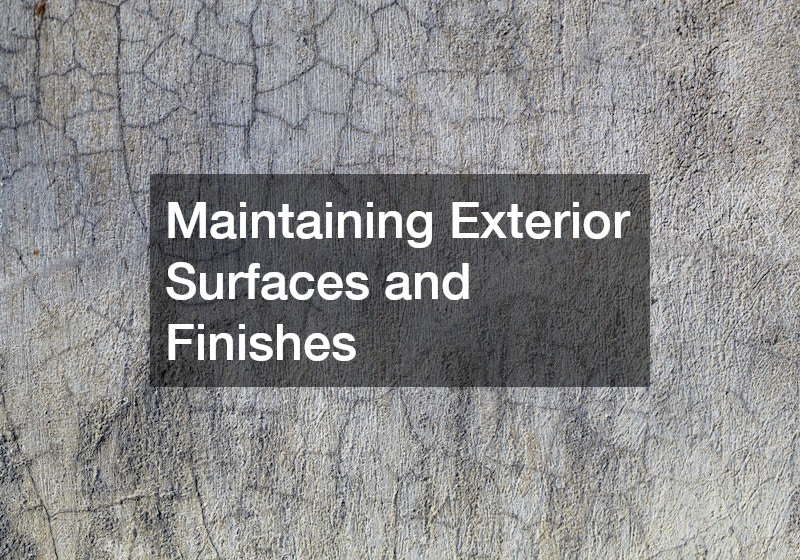
The exterior of a home serves as its first line of defense against the elements. Over time, exposure to weather conditions can cause wear and deterioration, making regular maintenance essential. Inspecting surfaces for cracks, discoloration, or other signs of damage allows homeowners to address issues before they worsen.
Scheduling stucco repair when needed helps preserve both the appearance and structural integrity of the home. Timely repairs prevent further damage and maintain the protective qualities of exterior finishes. By keeping up with exterior maintenance, homeowners can ensure their property remains both functional and visually appealing.
Routine cleaning of exterior surfaces can also play a significant role in prolonging their lifespan. Removing dirt, debris, and buildup prevents materials from deteriorating prematurely and helps maintain a polished appearance. Homeowners may benefit from scheduling periodic inspections after extreme weather events to identify any new damage. Addressing minor issues quickly can prevent the need for more extensive repairs later on. Consistent care and attention to exterior finishes help preserve both the durability and overall value of the home.
Supporting Structural Stability and Integrity
A home’s structural components are the foundation of its safety and durability. Ensuring that these elements remain strong and stable requires regular inspections and attention to detail. Even minor shifts or cracks can indicate underlying issues that need to be addressed promptly.
Proper planning for foundation installations or repairs can help maintain the overall stability of the home. Addressing structural concerns early reduces the likelihood of more extensive damage and supports long-term durability. By prioritizing structural maintenance, homeowners can protect their investment and ensure a secure living environment.
In addition to professional evaluations, homeowners can stay alert to subtle signs of structural changes, such as uneven floors or doors that no longer close properly. Keeping an eye on these indicators allows for quicker response times and more manageable solutions. Maintaining proper drainage around the home also supports structural health by preventing soil movement and water-related damage. Regularly reviewing the condition of load-bearing elements ensures that the home continues to function as intended. A proactive mindset helps maintain long-term stability and peace of mind.
Making Smart Appliance Decisions

Appliances play a vital role in daily life, making their maintenance and replacement an important consideration for homeowners. Regular inspections and proper usage can extend the lifespan of appliances and improve efficiency. When replacements are necessary, exploring different options can help homeowners make informed decisions.
Shopping at a used appliance outlet can provide access to reliable appliances while supporting practical decision-making. Evaluating the condition and functionality of these options ensures that they meet household needs. By approaching appliance management thoughtfully, homeowners can maintain efficiency and reduce unnecessary disruptions.
Homeowners can also benefit from creating a simple schedule for routine appliance maintenance, such as cleaning filters, checking connections, and monitoring performance. Keeping instruction manuals or digital guides accessible makes it easier to follow recommended care practices. When replacing appliances, comparing features and energy efficiency ratings can support better long-term performance. Planning upgrades strategically helps avoid sudden disruptions to daily routines. With consistent care and informed decisions, appliances can remain dependable components of the home.
Protecting Drainage and Roofing Systems
Effective drainage is essential for preventing water damage and maintaining the structural integrity of a home. Gutters and downspouts play a crucial role in directing water away from the property, reducing the risk of erosion and foundation issues. Regular inspections and maintenance help ensure these systems function as intended.
Scheduling gutter repair when needed helps prevent blockages, leaks, and other issues that can compromise drainage. Keeping gutters clean and in good condition supports the overall health of the home. By prioritizing drainage system maintenance, homeowners can avoid complications and maintain a stable environment.
In addition to routine cleaning, homeowners can install guards or screens to reduce debris buildup and improve system efficiency. Checking downspouts for proper alignment ensures that water is directed safely away from the foundation. Seasonal inspections, particularly after heavy storms, help identify any damage that may require attention. Addressing minor issues early can prevent more significant concerns in the future. Maintaining a reliable drainage system is a key part of protecting the home from water-related damage.
Keeping Electrical Systems Safe and Functional
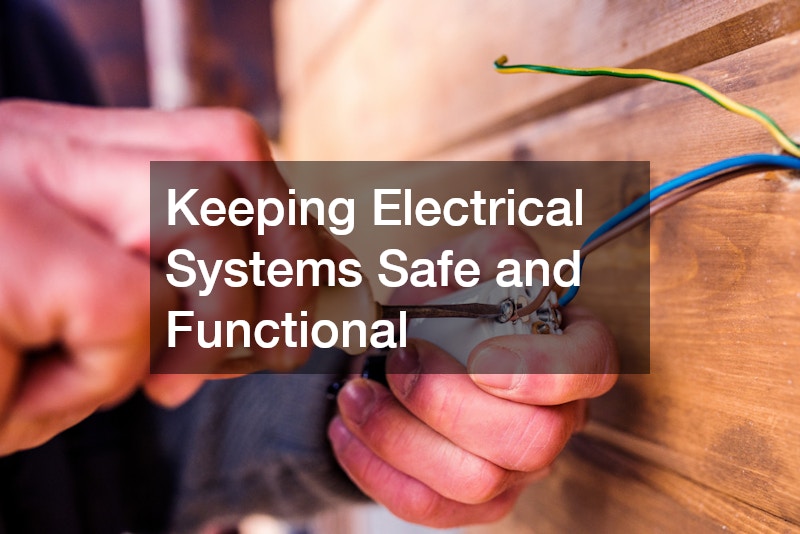
Electrical systems are a key component of modern homes, supporting everything from lighting to essential appliances. Ensuring that these systems are safe and functional requires regular inspections and adherence to proper usage guidelines. Identifying potential issues early can help prevent more serious concerns.
Scheduling electrical repairs when necessary helps maintain safety and reliability within the home. Addressing wiring issues, updating outdated components, and ensuring proper functionality contribute to a secure environment. By staying proactive with electrical maintenance, homeowners can reduce risks and improve overall efficiency.
Homeowners can also take steps to improve electrical safety by avoiding overloaded circuits and using surge protectors where appropriate. Regularly testing outlets, switches, and safety devices helps ensure everything is functioning correctly. Keeping an organized record of past repairs and upgrades provides useful information for future maintenance. Staying aware of warning signs, such as flickering lights or unusual sounds, allows for prompt action. With careful attention and routine checks, electrical systems can remain dependable and safe.
Maintaining Interior Surfaces and Comfort
Interior surfaces contribute to both the comfort and appearance of a home. Floors, walls, and other elements require regular care to remain in good condition. Establishing cleaning routines and addressing wear and tear promptly helps maintain a welcoming environment.
Paying attention to flooring maintenance ensures that surfaces remain durable and visually appealing over time. Regular cleaning, repairs, and updates contribute to a more comfortable living space. By focusing on interior maintenance, homeowners can enhance both functionality and overall quality of life.
Incorporating protective measures, such as area rugs or furniture pads, can help reduce wear in high-traffic areas. Regular inspections allow homeowners to identify scratches, stains, or damage that may need attention. Adjusting cleaning methods based on the type of material helps preserve the integrity of interior surfaces. Small, consistent efforts can significantly extend the lifespan of flooring and other finishes. By maintaining a clean and organized interior, homeowners can create a space that feels both comfortable and well cared for.
Smart home maintenance is about consistency, awareness, and taking a proactive approach to caring for your property. By focusing on key systems and addressing issues early, homeowners can prevent small problems from becoming larger challenges. Each aspect of maintenance, from structural care to routine inspections, plays a role in creating a safe and efficient living environment.
Ultimately, maintaining a home is an ongoing process that benefits from organization and thoughtful planning. When homeowners establish routines and stay attentive to their property’s needs, they can enjoy greater peace of mind and long-term stability. By applying these practical strategies, it becomes easier to protect your home, support its functionality, and create a space that continues to meet your needs over time.
In addition, setting aside time throughout the year to review maintenance plans can help homeowners stay aligned with their goals. As needs change, adjusting routines and updating priorities ensures that nothing important is overlooked. Creating a simple checklist for monthly, seasonal, and annual tasks can provide structure and make responsibilities feel more manageable. This ongoing commitment to organization supports not only the condition of the home but also the overall quality of daily life. With consistent effort and thoughtful planning, homeowners can maintain a property that remains reliable, comfortable, and well-prepared for the future.