
Your yard can be much more than an area surrounding your home. With thoughtful improvements, an outdoor space can become a comfortable place to relax, entertain guests, spend time with family, or enjoy the changing seasons. Even if your property already has established landscaping and functional outdoor areas, updates can give the space a more cohesive appearance and make it better suited to your needs.
Before beginning any outdoor project, consider maintenance requirements, available space, drainage, safety, and the overall style of your home. Thinking about these factors can help you choose improvements that provide lasting value and complement the property.
Add a Pool That Complements Your Outdoor Space
A pool can transform an ordinary backyard into a destination for recreation and relaxation. If your property has enough available space, an above-ground pool can provide an option for homeowners who want to add swimming space without undertaking the same type of construction associated with an in-ground pool.
Working with an above ground pool company can help you evaluate the available space and determine which pool configuration fits your property. The location of the pool should account for the home’s layout, existing landscaping, access points, and surrounding structures. Adequate clearance can also make the pool easier to access and maintain.
The area around the pool deserves attention as well. A pool doesn’t have to look like an isolated feature placed in the middle of a lawn. Surrounding it with appropriate landscaping, a seating area, pathways, or other outdoor features can make it feel like part of the overall yard.
Consider how the pool will be used throughout the year, too. Space for chairs, tables, storage, and access paths can make the area more functional. Thoughtful planning can help a new pool fit naturally into the backyard while creating a dedicated space for outdoor recreation.
Keep Your Pool Looking Its Best
Adding a pool also introduces regular maintenance responsibilities. Water quality, filtration, cleaning, equipment, and other components all require attention to keep the swimming area clean and functional. Regular maintenance can also help identify developing issues before they become more significant problems.
A custom pool service can provide maintenance based on the specific needs of the pool and its equipment. Service needs can vary depending on factors such as pool size, usage, weather conditions, and the type of equipment installed.
Pool maintenance can include tasks such as checking water chemistry, cleaning surfaces, inspecting equipment, and maintaining filtration systems. Keeping up with these tasks can make the pool more pleasant to use and help maintain the condition of its components.
The surrounding area should receive attention as well. Leaves, grass clippings, dirt, and other debris can enter the water, particularly when the pool is located near trees or landscaped areas. Keeping nearby surfaces clean can reduce the amount of debris that reaches the pool.
Consistent maintenance can help keep the pool ready for use while allowing homeowners to spend more time enjoying the feature rather than dealing with accumulated maintenance tasks.
Create a Safer Barrier Around Your Pool
Pool areas require careful consideration of access and safety. A properly designed barrier can help separate the pool from other parts of the property and restrict access when the swimming area isn’t being used.
A pool safety fence can provide a defined boundary around the pool while contributing to the overall organization of the backyard. Fencing options vary in height, material, style, and configuration, so the appropriate choice depends on the property and applicable local requirements.
The placement of gates and access points is another important consideration. Gates should be incorporated into the overall safety plan rather than treated as an afterthought. Homeowners should also review local pool barrier requirements before beginning installation because regulations can differ by location and pool type.
A pool barrier can also work with the rest of the landscape design. The fence can be coordinated with nearby fencing, patios, plantings, and other features so the safety element feels integrated into the yard.
Beyond meeting applicable requirements, creating a clearly defined pool area can make the backyard easier to organize. Separate spaces for swimming, dining, gardening, and relaxing can give each part of the property a distinct purpose.
Define Your Yard With an Attractive Boundary

A fence can provide privacy, security, and visual definition while helping establish the boundaries of a property. It can also create a backdrop for landscaping and other outdoor features.
A fence company can help homeowners consider the property’s layout, desired level of privacy, material options, and placement. Different fencing materials can produce different appearances and maintenance requirements. Wood, vinyl, aluminum, and other options can each complement different home styles.
The design should account for more than the fence itself. Gates, property lines, driveways, landscaping, and existing structures can all affect where fencing can be installed. Local rules may also establish requirements involving height, placement, or permits.
Fencing can be especially useful for dividing a large yard into separate areas. A section of fencing can create a private area around a patio, establish a boundary for pets, or separate recreational areas from gardens and other plantings.
The relationship between fencing and landscaping is worth considering, too. Shrubs, ornamental grasses, and other plants can soften the appearance of a fence while adding color and texture. With careful planning, a boundary can become an attractive part of the yard rather than simply a functional feature.
Bring More Life to Your Backyard
Landscaping can change the appearance and functionality of an outdoor space by combining plants, trees, ground cover, pathways, and other features. A well-planned landscape can give an otherwise underused yard more structure while creating areas for relaxing, entertaining, and recreation.
A backyard landscaping contractor can help develop a plan that accounts for the property’s size, terrain, sunlight, drainage, and existing vegetation. Rather than adding plants without considering how they will mature, a broader plan can account for growth, spacing, and maintenance requirements.
Different areas of the yard can serve different purposes. Plantings can frame a patio, create privacy around a seating area, or provide a transition between the house and lawn. Trees can provide shade, while lower-growing plants can add color and texture near walkways and outdoor living areas.
Hardscaping can also be incorporated into the landscape. Pathways, borders, seating areas, and other structures can provide organization while reducing the feeling that the yard consists of one large, undefined space.
When selecting plants, consider how much sunlight and water each area receives. Choosing plants suited to the property’s conditions can help reduce maintenance and support healthier growth. Seasonal changes should also be considered so the yard continues to have visual interest throughout the year.
Create a Comfortable Space for Outdoor Living
A patio can give your yard a dedicated area for dining, entertaining, relaxing, or spending time outdoors. It can also create a transition between the home’s interior and the rest of the landscape.
Patio contractors can help plan a patio around the available space and the activities you want to accommodate. The size and shape should provide enough room for furniture while leaving comfortable pathways for people to move around.
Material selection can influence both appearance and maintenance. Concrete, pavers, natural stone, and other materials offer different textures, colors, patterns, and installation considerations. The patio can be designed to complement the home’s exterior and surrounding landscape.
Think about how the patio will connect with other outdoor features. A nearby garden can soften its edges, while lighting can make the area more useful after sunset. A fence or privacy planting can also create separation from neighboring properties.
Furniture placement should be considered during the design stage. A dining table, seating area, grill, or other features can require more space than expected. Planning around these uses can make the finished patio more comfortable and functional.
A well-planned patio can become one of the most frequently used parts of a backyard, giving homeowners a defined place to enjoy the outdoors.
Connect Indoor and Outdoor Living Areas
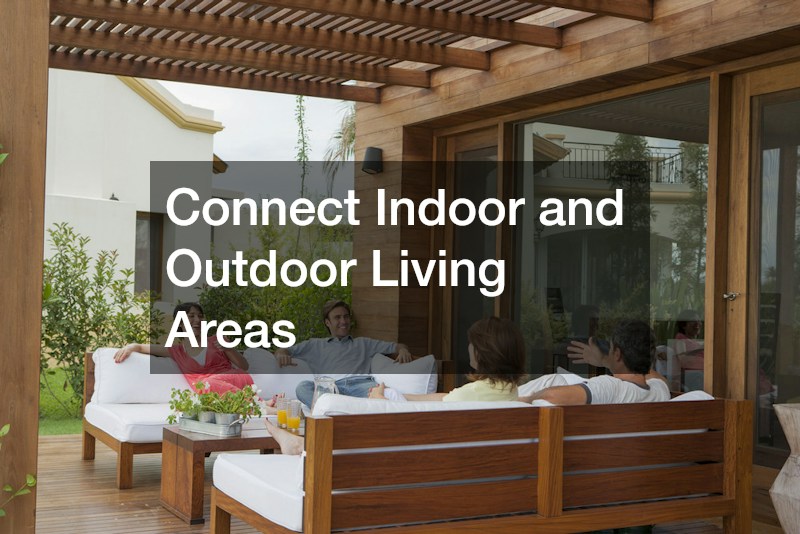
The connection between a home and its yard can influence how often outdoor spaces are used. An accessible transition between indoor and outdoor areas can make it easier to move between the two spaces, particularly when entertaining or carrying food and other items outside.
Patio doors can provide a direct connection between an interior living area and a patio or other outdoor space. Different door configurations can offer varying amounts of natural light, ventilation, access, and usable wall space.
When considering a replacement or new installation, think about how the doors will relate to the surrounding area. A patio directly outside the doors can create a natural extension of the living space. Clear pathways can also make the transition easier to use.
The appearance of the doors matters as well. Frames, glass, hardware, and other design elements can complement the home’s existing architecture. Larger glass areas can also provide views of landscaping and outdoor features from inside the house.
The transition between the door and patio should be considered during planning. Changes in elevation, drainage, thresholds, and surrounding surfaces can affect how easily people move between the spaces.
When indoor and outdoor areas are designed with one another in mind, the yard can feel more connected to the home rather than functioning as a separate area.
Add Structure to Sloped Areas
Slopes can make portions of a yard difficult to use. Water may move downhill quickly, soil can erode, and maintaining plants or lawn areas on an incline can be challenging. Adding structural features can help give these areas more definition.
Concrete retaining walls can divide a sloped property into different levels while creating usable areas for landscaping or other outdoor improvements. Depending on the design, a wall can also create planting beds, define pathways, or provide a visual transition between different elevations.
The wall needs to be planned around the property’s specific conditions. Soil, drainage, slope, wall height, and nearby structures can all affect the design. Proper drainage is particularly important because water pressure behind a retaining wall can affect its performance.
The appearance of the wall should also work with the surrounding property. Concrete can provide a clean, structured appearance and can be incorporated into landscapes with other hardscape elements.
Retaining walls can also create opportunities for additional improvements. A newly defined level might become a garden area, seating space, or lawn section. By addressing a difficult slope, a structural feature can make more of the property useful.
Enjoy Your Yard After Dark
A yard can look very different after sunset, and outdoor illumination can make its features more visible during the evening. Lighting can highlight pathways, landscaping, patios, trees, entrances, and architectural details.
Outdoor lighting services can help homeowners plan fixture placement around the way the property is used. Path lights can identify walkways, while accent fixtures can draw attention to trees or planting beds. Lighting near steps and entrances can provide additional visibility in areas where people regularly walk.
A good lighting plan doesn’t necessarily require every part of the yard to be brightly illuminated. Different levels of light can create depth and help direct attention toward specific areas. Overlighting can also detract from the appearance of a property, so placement and intensity should be considered carefully.
Fixtures should complement the existing design as well. Coordinating lighting with fencing, patios, landscaping, and the home’s exterior can make the overall yard feel more cohesive.
Lighting can also make outdoor living areas more useful. A patio, seating area, or pathway that becomes difficult to see after sunset can have a different level of functionality when appropriately illuminated.
Keep Your Trees Healthy and Well Maintained
Trees can provide shade, privacy, color, and visual character, but they also require ongoing care. Branches can grow toward roofs, fences, driveways, utility lines, and other structures, while dead or damaged limbs can create maintenance and safety concerns.
A tree trimmer can assess the condition and location of branches and determine which areas require attention. Pruning should account for the tree’s structure and growth pattern rather than simply removing branches at random.
Regular tree maintenance can also help preserve the appearance of a landscaped yard. Overgrown branches can obscure views, interfere with pathways, or make carefully planned landscaping appear less organized.
Tree care should account for future growth, too. Branches that currently have adequate clearance can eventually extend toward buildings or other structures. Considering how trees will develop can help homeowners plan maintenance before clearance becomes a larger concern.
Trees can also be incorporated into broader landscape and lighting plans. Properly maintained trees can serve as focal points, provide shade for outdoor seating areas, or contribute to privacy around patios and other spaces.
Maintaining existing trees can help preserve established landscape features while allowing the rest of the yard to be updated around them.
Refreshing your yard is an opportunity to improve both its appearance and how you use your property. Outdoor improvements can address practical concerns while creating spaces that encourage more time outside. From adding recreational features to improving existing areas, each project can contribute something different to the overall property.
Whether you’re planning one improvement or several, start by considering how each feature will serve your property. Look at the existing layout, available space, maintenance needs, and ways your household uses the yard. With thoughtful planning, individual improvements can work together to create an outdoor space that’s comfortable, functional, and visually connected to your home.