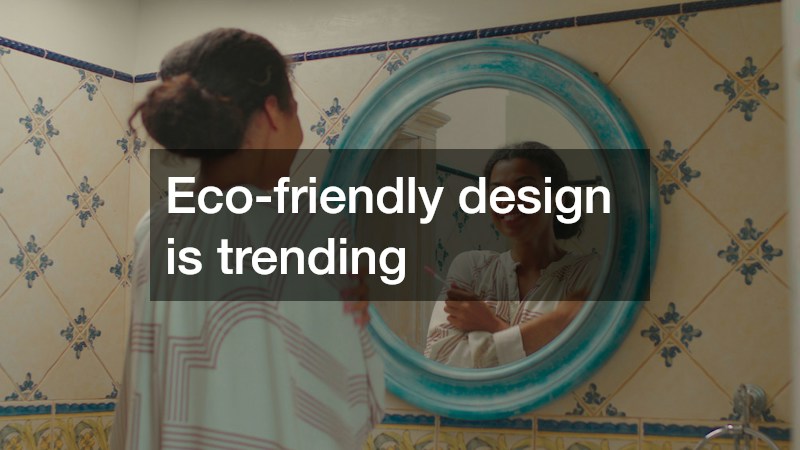

In 2026, bathroom remodels are booming as homeowners strive to create spaces that are not only functional but also stylish and environmentally friendly. The surge in home improvement projects underscores a shift towards incorporating sustainable materials and technology-driven solutions. Today, bathrooms are evolving from basic utility rooms to luxurious personal retreats with spa-like amenities.
This transformation has been fueled by the need for comfort and efficiency following the new work-from-home culture. As we explore the latest trends, it’s clear that today’s consumers prioritize investments that enhance both the aesthetic and the practical value of their homes.
What are the most popular color schemes for bathrooms in 2026?
The color palette for bathrooms in 2026 has shifted towards lighter, more natural tones that offer a sense of tranquility and openness. Earthy shades such as soft greens, light terracotta, and gentle beige are paired with classic whites and pastels to create a peaceful ambiance. This reflects a broader trend of bringing nature indoors, a nod to biophilic design principles that emphasize the human-nature connection. In addition to aesthetic appeal, such color schemes are praised for making small bathrooms appear larger and more inviting. Meanwhile, monochromatic themes with varying shades of the same hue are also gaining traction, adding depth without overwhelming the senses.
Notably, many homeowners are embracing bold accents that contrast with these muted palettes, providing a striking visual appeal. This involves using vivid tiles, vibrant art pieces, or decorative bathroom hardware that complement the overall neutral theme. Color psychology plays a role in these choices, as colors like blue and green can evoke feelings of calmness and cleanliness. For those seeking to infuse energy, pops of yellows or deep blues can liven up any space without sacrificing its restful nature. Additionally, popular decorator advice encourages experimenting with textures and metallic finishes to enrich color schemes.
The use of natural materials further enhances these color schemes, with wooden elements and stone surfaces introducing warmth and character. Wood vanities and stone countertops offer a rustic edge and are celebrated for their timeless beauty and durability. Combined with the right lighting solutions, these materials further amplify the airiness and freshness that homeowners seek. The seamless integration of nature into color schemes underlines a desire for authenticity and individuality in design. As consumers continue to embrace these trends, the challenge lies in balancing trending aesthetics with personal style to create unique yet cohesive spaces.
How important is eco-friendly design in modern bathroom remodels?
Eco-friendly design has become pivotal in bathroom remodels as more consumers acknowledge the importance of sustainability in combating climate change. Homeowners are increasingly opting for materials and products that are not only kind to the environment but also promote energy efficiency and water conservation. Low-flow toilets and faucets, water-saving showerheads, and tankless water heaters are popular choices for reducing water usage. The integration of recycled materials such as glass, metal, and reclaimed wood not only minimizes waste but also adds unique texture and character to the space. This shift towards green solutions reflects a growing consumer consciousness that prioritizes long-term benefits over short-term gains.
Moreover, energy-efficient lighting, such as LED fixtures, has become nearly ubiquitous in modern bathroom remodels. LED lights consume significantly less energy than traditional incandescent bulbs and last much longer, reducing both energy bills and the frequency of replacements. The push towards smart technology has also spurred innovation in eco-friendly bathroom solutions. Automated systems that control temperature and humidity levels, as well as motion-sensor lighting, enhance convenience while boosting energy efficiency. The investment in renewable technology is not only environmentally responsible but also adds to the resale value of a home.
Consumer demand for eco-friendliness has also led to increased availability of cruelty-free and vegan bathroom products. From paint to cleaning supplies, manufacturers are responding with options that minimize harm to the planet and its inhabitants. Incorporating plants and living walls into bathroom designs enhances air quality while aligning with the eco-friendly ethos. As awareness of environmental issues continues to rise, homeowners are expected to further embrace sustainable design solutions. In doing so, they contribute to the preservation of natural resources while enjoying the benefits of a healthier, more sustainable home environment.
What are the latest trends in bathroom fixtures and fittings?
In 2026, the emphasis on sleek sophistication and functionality dominates the design of bathroom fixtures and fittings. Freestanding bathtubs remain highly desirable, often acting as the centerpiece in a minimalist bathroom setting. Available in a variety of shapes and materials, these elegantly crafted designs can transform any bathroom into a luxurious sanctuary. Wall-mounted toilets and vanities continue to gain popularity thanks to their space-saving attributes and modern aesthetic. The latest innovations focus on blending style with smart technologies, offering solutions that enhance both comfort and convenience.
In terms of functionality, multi-functional fixtures are becoming essential in maximizing bathroom utility without compromising on design. Digital showers and smart taps that allow for precise temperature and water-flow adjustments demonstrate the technological advances within the industry. Touchless and sensor-activated features have grown increasingly popular, promoting hygiene and ease of use. The integration of entertainment systems, such as Bluetooth speakers and programmable lighting, further enriches the bathing experience. By harmonizing design with practical technology, these trends reflect the modern demands for adaptability and luxury.
Metals like brushed nickel, matte black, and brass are defining trends in bathroom hardware, providing a modern edge with their sleek, polished appearance. The shift towards matte and antique finishes indicates a preference for understated elegance over traditional polished looks. Versatile and timeless, these materials complement a wide range of architectural styles, making them a favorite among designers and homeowners alike. A notable trend is the blend of different metals within a single space, a strategy that adds visual interest and depth. As these trends evolve, the challenge will be to ensure that individuality and style are balanced with longevity and substance.
Are open and airy bathrooms gaining popularity?
The concept of the open and airy bathroom is seeing increasing popularity as homeowners embrace designs that enhance the perception of space and light. Spaciousness is achieved through strategic layout planning that incorporates large, clear windows, glass partitions, and open showers. This not only greets users with an abundance of natural light but also fosters a sense of tranquility and liberation. By eliminating unnecessary barriers, such designs cultivate a seamless flow between different spaces within the bathroom. This trend is reflective of a broader movement toward minimalistic living spaces that emphasize simplicity and functionality.
Moreover, the use of large-format tiles has become instrumental in creating an expansive bathroom feel. These tiles minimize grout lines, resulting in a clean, cohesive appearance that amplifies the perception of space. Frameless shower enclosures and mirrors without bulky frames contribute to the airy aesthetic, maximizing openness and light reflection. Neutral color palettes and strategic lighting designs further underpin this sense of openness. Through these design choices, homeowners achieve a sanctuary-like environment, conducive to relaxation and rejuvenation.
Additionally, introducing vertical elements such as tall cabinets and floating shelves helps in optimizing storage without overwhelming the space. Smart storage solutions, including recessed shelves and built-in niches, allow for clutter-free surfaces, maintaining the minimalistic appeal. Indoor plants, as part of biophilic design, contribute to a breathable and inviting atmosphere. As life becomes increasingly fast-paced, these serene environments offer a welcome retreat, fostering well-being and mindfulness. The trend of open and airy bathrooms reflects a consumer desire for spaces that provide both luxury and solace.
How do you incorporate smart technology into bathroom remodels?
Smart technology is revolutionizing bathroom remodels, enabling homeowners to blend convenience with efficiency in unprecedented ways. Intelligent systems that control water temperature, pressure, and lighting can be customized to user preferences, delivering a truly personalized experience. Smart mirrors equipped with displays and virtual assistants allow for hands-free control of various functions, integrating technology seamlessly into daily routines. Touchless fixtures and digital assistants enhance hygiene and accessibility, essential features in modern bathroom design. The implementation of smart technology not only elevates user comfort but also contributes to the overall well-being by automating mundane tasks.
The integration of voice-activated systems within the bathroom is growing among tech-savvy homeowners, offering control over nearly all bathroom utilities. From operating the shower and bathtub to playing calming music, these systems afford a new level of luxury and restfulness. Furthermore, smart heating solutions, such as heated floors and towel rails, can be programmed to operate with synchronized smart thermostats. The popularity of these features highlights consumer interest in a holistic approach to home automation, emphasizing energy efficiency and seamless interaction with home ecology. As these technologies evolve, they promise to redefine the future of bathroom functionality and design.
Many homeowners are also embracing water monitoring systems that provide real-time data on water usage, helping to conserve resources and reduce monthly expenses. These smart solutions not only support eco-friendly practices but also aid in early detection of leaks and plumbing issues. The rise of smart bathroom technology mirrors broader technological trends that focus on interconnectedness and user-centered design. While initial costs for smart technology installations may be high, the long-term savings and enhancements to home living justify these investments. As the demand for smart home technologies continues to rise, the bathroom is set to be at the forefront of this digital transformation.
The trends reshaping bathroom remodels in 2026 are largely driven by a desire for environments that meld efficiency with elegance. From eco-friendly designs to smart technologies and airy spaces, the modern bathroom reflects a harmony of form, functionality, and sustainability. As homeowners seek to optimize their spaces for both aesthetic and practical purposes, these trends are also influencing home value and daily life quality. Incorporating these elements ensures that bathroom remodels are not just about appearance but enhancing the overall experience. In the evolving home landscape, these insights affirm the importance of thoughtful design in meeting contemporary consumer expectations.